Natural Deworming
I get asked often about natural deworming options, so here you will find my typical answers.
What kinds of internal parasites are people typically talking about?
Roundworms, Hookworms, Whipworms, Tapeworms, Coccidia, and Giardia are the most commonly seen intestinal parasites. These parasites are all picked up from the environment. Tapeworms are typically seen in animals with fleas (which come from the environment) because the animal has to ingest an infected flea in order to get tapeworms. Roundworms and Hookworms are especially concerning as they can affect people, especially children.
What I recommend:
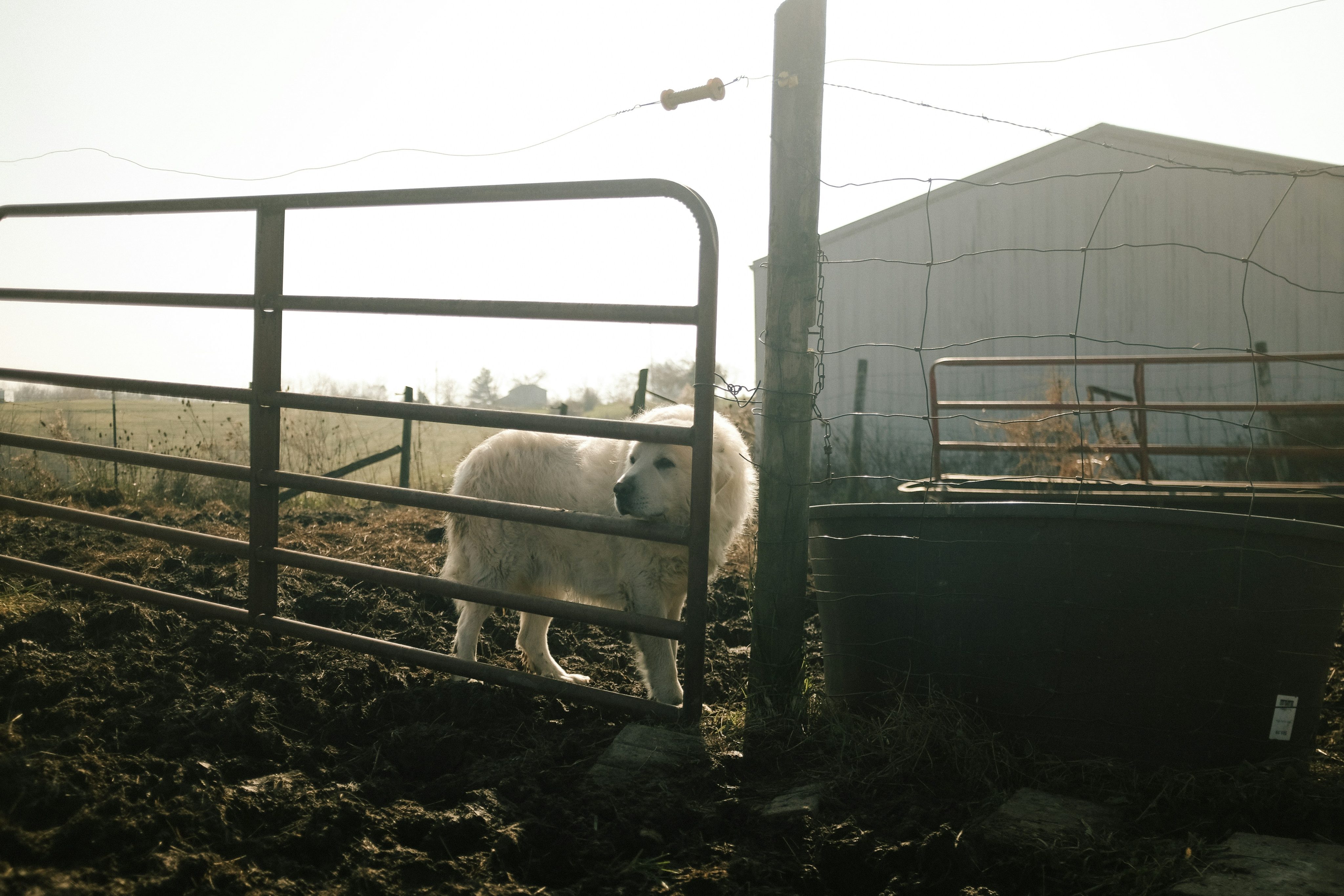
- Know your pet’s risk: ie Do you have an outdoor cat that hunts? Or does your dog live outside on a farm? Puppies and kittens are often infected with parasites as well.
- Feed a high quality (at least some fresh food) diet to maintain good gut health.
- Ensure your pet is getting some fresh fiber in their diet too.
- If your animal is not on a regular flea/tick/deworming medication, check a fecal sample every 6 months to monitor for signs of infection.
- Target treatment for any positive fecal tests with either a conventional or natural method and repeat the fecal test at the end of treatment to ensure the parasites are gone.
I don’t recommend blanket deworming protocols found on the internet as you have no idea if they are necessary or effective (also known as wasting your money).
A note about Heartworms:
If you are in an area with high levels of Heartworms, I would highly recommend conventional Heartworm prevention as long as your dog tolerates it well. This can be paired with liver and kidney support (‘detox’ if you like) to help your pet cope with the medication. Heartworms are very dangerous and treatment can be as well! Heartworms are transmitted by mosquitos, and it only takes one bite from one infected mosquito to wreak havoc on your pet’s heart. There are natural mosquito repellant products out there, but they are going to require significant diligence on the part of the pet owner and use still carries risk for possible infection anyway.
The big take away:
TEST OFTEN, TREAT WHEN NEEDED.
Please feel free to reach out if you have any specific questions on this topic or any other. If you need help with testing or putting together a deworming protocol, email me at consultaholisticvet@gmail.com to get started.